
Valve replacement and installation that restores control of your system.
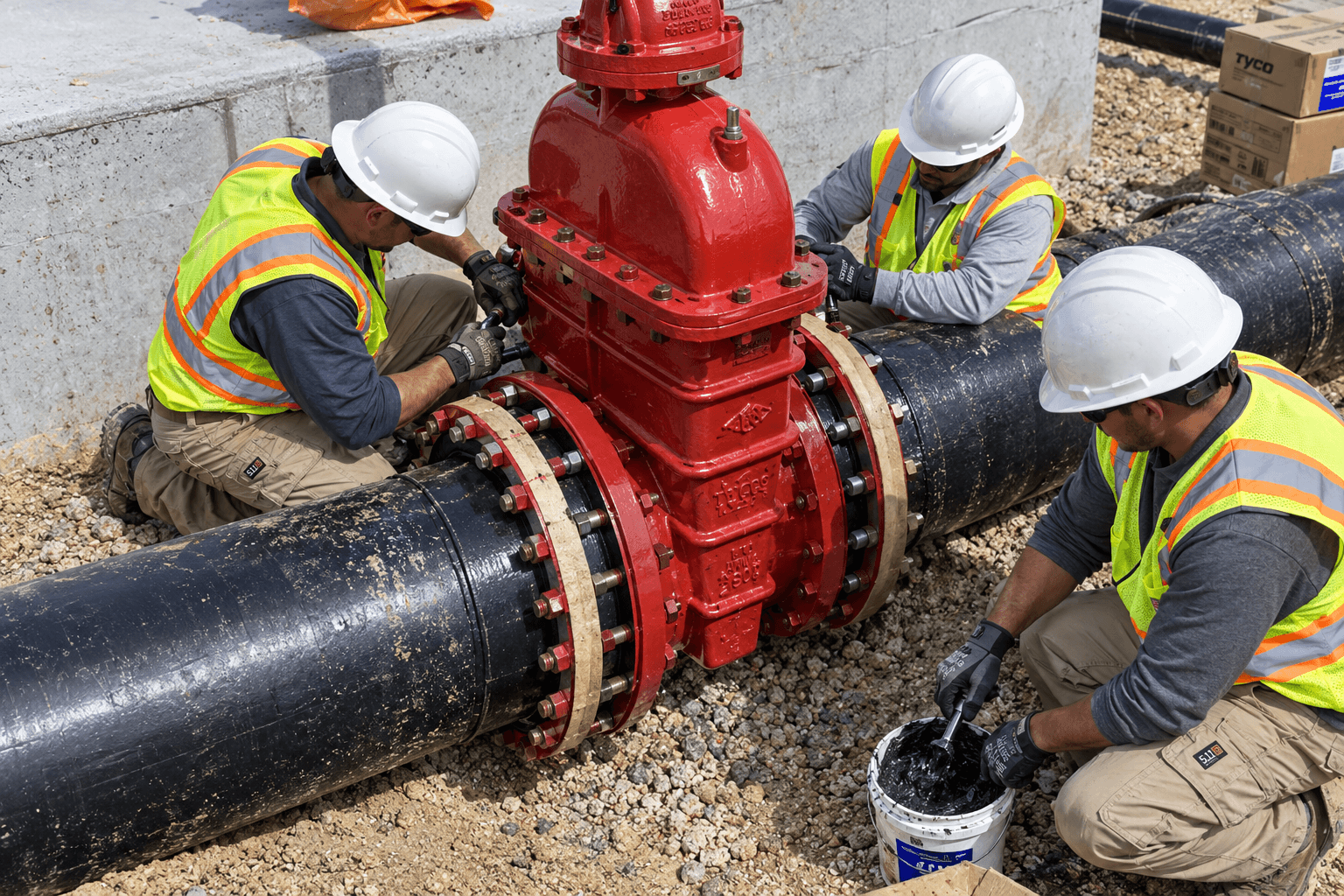
Closed, frozen, broken, and missing valves make it hard to isolate a main break and can turn a small repair into a large shutdown. Our crews replace inoperable valves and install new ones on water distribution mains and wastewater force mains up to 12 inches in diameter, restoring the isolation your operators depend on.

Restore isolation, reduce shutdown impact.
Every valve that cannot be operated increases the number of customers affected when a main has to be shut down. Replacing those valves, and adding new ones where valves are spaced too far apart, shrinks shutdown areas, speeds up emergency response, protects water quality, and reduces the risk of sewer overflows during force main repairs.
Water Distribution
Gate and butterfly valve replacement, new isolation valves, and hydrant auxiliary and tapping valves that shrink shutdown areas and protect water quality.
Wastewater Distribution
Plug and gate valve replacement on force mains and at lift station discharge piping, with line stops and bypass pumping planned to keep flow moving.
Our valve replacement and installation services include
- Replacement of inoperable, broken, leaking, or obsolete gate, butterfly, and plug valves
- New valve installation to add isolation points or meet the utility’s valve-spacing standards
- Valve replacement under a line stop so the surrounding system stays in service
- Tapping valve installation for new branch, service, fire line, and force main connections
- Valve box, riser, and lid replacement, plus box raising and realignment to grade
- Operating nut, stem, packing, and gearbox repairs when a valve can be saved rather than replaced
- Construction test cuts and planned shutdown support
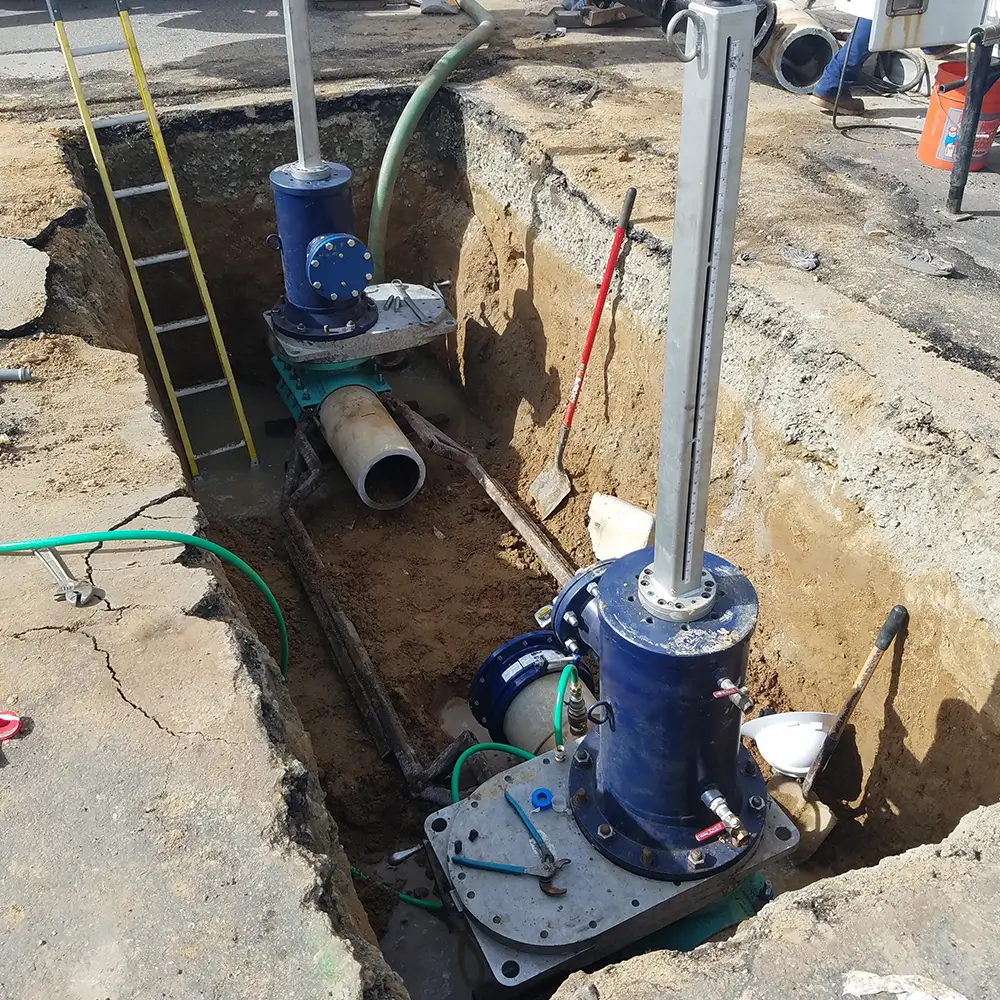
Repair or replace?
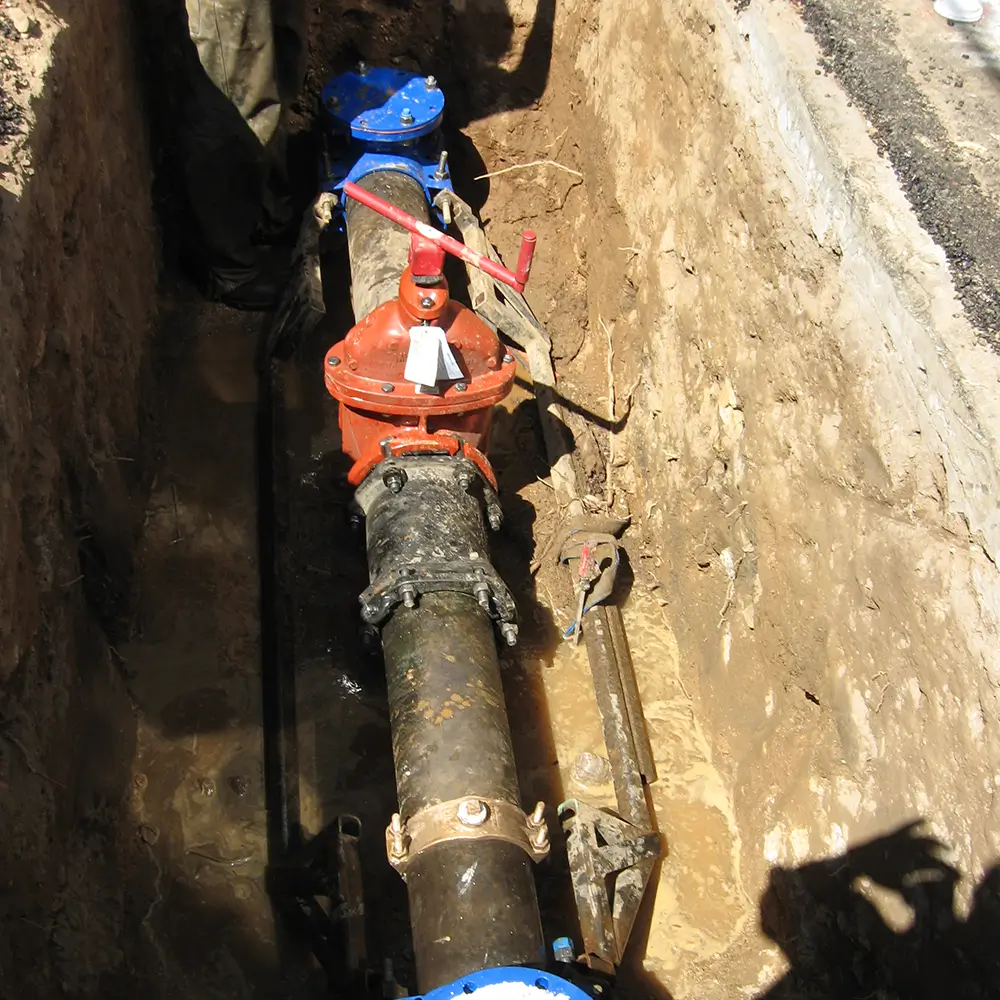
Not every problem valve needs to be replaced. Our valve assessment crews already repair operating nuts, packing leaks, and gearboxes, and raise valve boxes in the field.
When a valve is beyond practical repair, our repair and replacement crews take it from there, so you get the most cost-effective fix for each asset
How a valve replacement project works

PLAN THE ISOLATION
We review GIS and valve assessment data to set the smallest possible shutdown area, or plan a line stop when existing valves cannot isolate the work.

NOTIFY AND PREPARE
We coordinate customer notifications, traffic control, utility locates, and materials with the utility’s standards.

EVACUATE AND REPLACE
The old valve is cut out under water shut down or utilizing line stops and a new valve is installed, then the valve box and riser are set to grade.

TEST AND RETURN TO SERVICE
The new valve is cycled fully, water mains are flushed and disinfected per utility and AWWA practice, force mains return to normal pumping, and service is restored.

DOCUMENT AND RESTORE
Valve location, type, size, turns, and direction are recorded and delivered to your GIS/CMMS, and the site is restored.
Supporting services.
- Line stops, bypasses, and bypass pumping coordination to avoid shutdowns
- Exercising nearby valves and checking for leaks
- Flushing, disinfection, and bacteriological sampling support (water)
- Site excavation and surface restoration
- Asset documentation with sub-foot GPS and ESRI-compliant deliverables
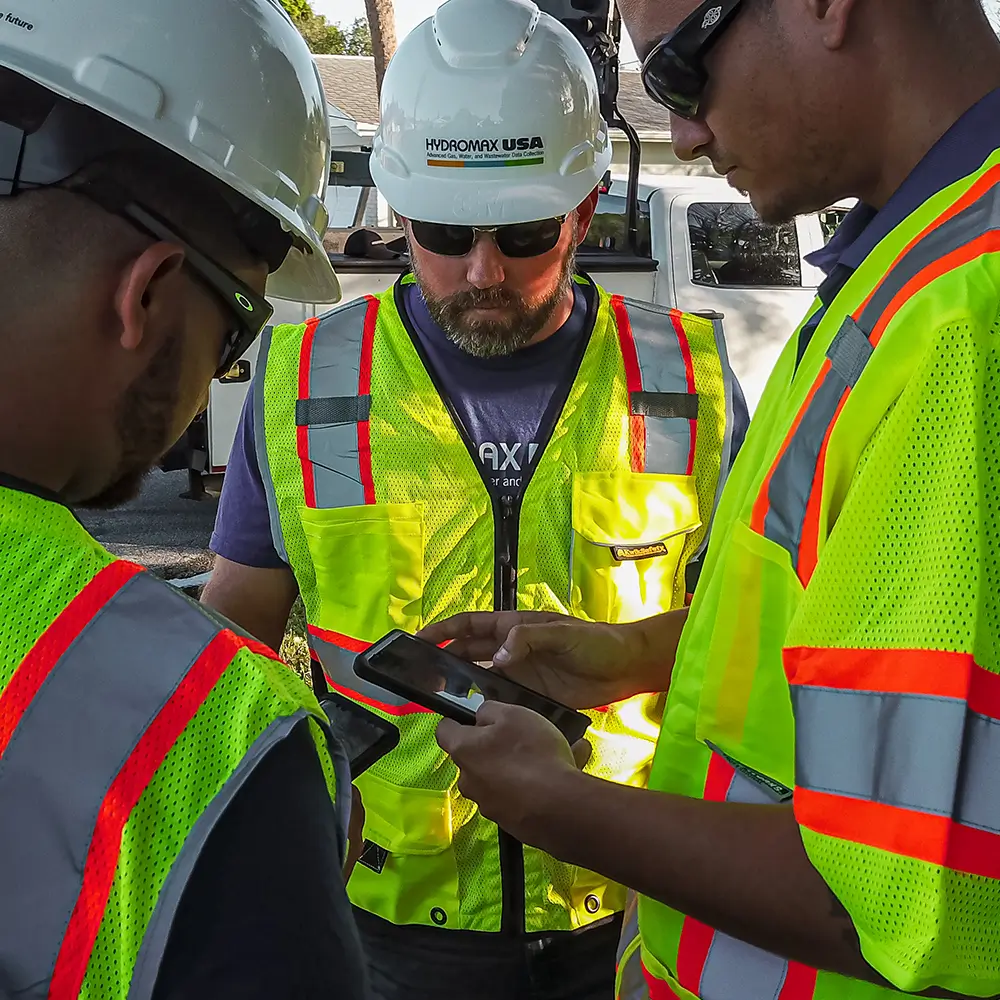
From assessment to action
Line stops and taps are often the fastest way to act on our valve assessment findings. When we find a valve that is closed, broken, or impossible to locate, our crews can isolate the main around it and replace it, then document the completed work in your GIS and project dashboard. For wastewater utilities, line stops and taps let crews act on force main inspection findings without taking the main out of service.

12”
Line stops and taps on live mains, up to 12-inch

2M
Valves assessed and maintained
Turn your assessment and inspection findings into completed repairs.
Submit your details below to connect with a utility infrastructure expert.